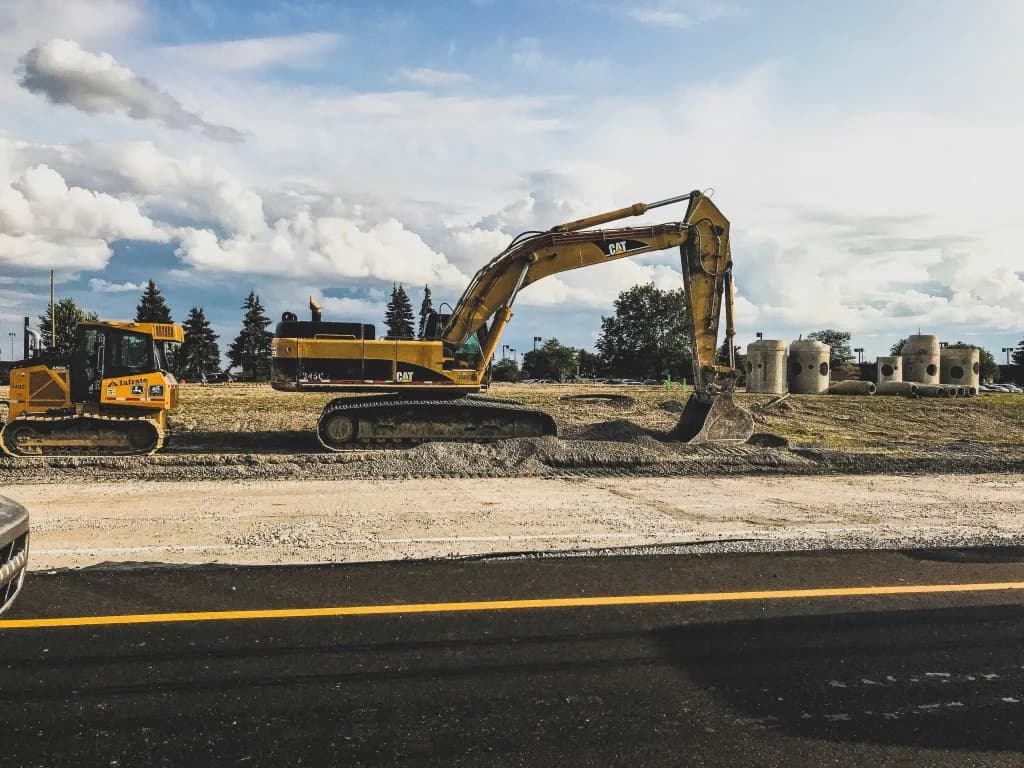
The Alberta construction market in 2026 is busy across multiple sectors - residential subdivisions in Calgary's outer ring, institutional retrofits in Edmonton, and industrial facility work tied to ongoing energy transition projects. If you're a subcontractor, supplier, or GC trying to grow your bid pipeline in this province, the challenge isn't whether work exists. It's finding the right opportunities early enough to actually compete for them.
This guide covers where Alberta tenders come from, how to track them systematically, and what separates firms that win work from firms that perpetually chase their tails.
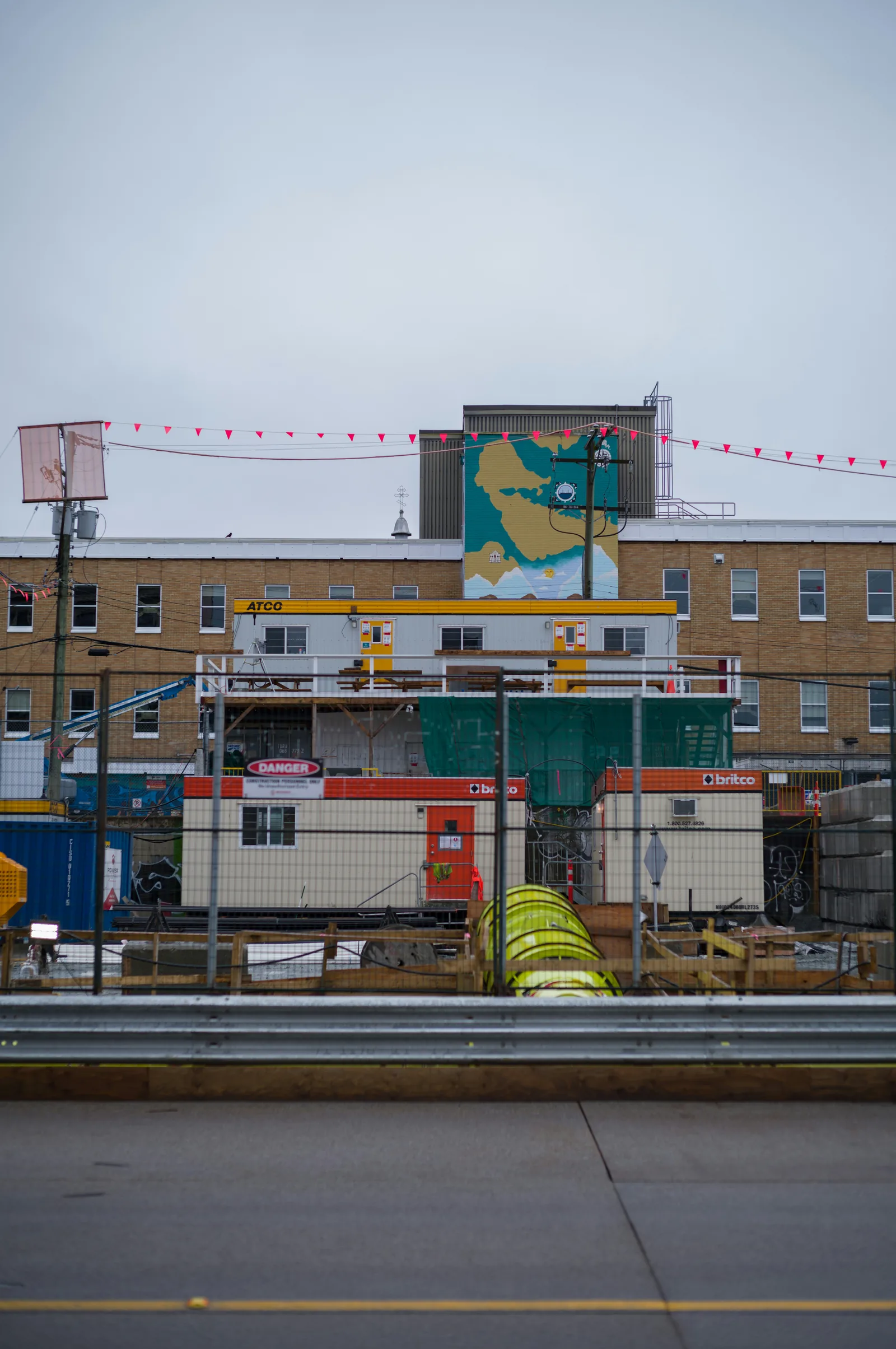 Construction projects across Alberta and BC represent billions in annual subcontract opportunity.
Where Alberta Construction Tenders Actually Come From
Most people think "tender" means a formal public posting on a government procurement portal. That's a slice of the market, but not the whole picture.
Public Sector Tenders
Public tenders in Alberta flow through a few main channels:
- Alberta Purchasing Connection (APC) - the provincial government's primary portal for public tenders. Infrastructure Alberta and various ministries post here. Projects include schools, hospitals, court facilities, and provincial highway work.
- MERX and Bids&Tenders - third-party platforms used by municipalities. The City of Calgary and City of Edmonton post a significant volume of civil, utilities, and facilities work through these systems.
- Municipal procurement portals - Calgary and Edmonton both run their own supplier portals. Edmonton's Supplier Portal and the City of Calgary's Procurement portal are worth bookmarking if you're targeting either city specifically.
Institutional clients - school boards, post-secondary institutions, health authorities like AHS - often issue tenders independently through their own procurement teams or through Bids&Tenders. If you're a mechanical, electrical, or general contractor working in the institutional space, you need to be monitoring AHS Infrastructure and the school divisions, not just the provincial portal.
Private Sector Projects and Early Intelligence
Private construction doesn't go through public portals at all. A developer building a mixed-use tower in Calgary's Beltline or a logistics company putting up a new distribution centre in Edmonton's southeast industrial corridor will typically issue tenders through a GC invitation process, a broker like Calgary-based tender services firms, or through industry networks.
This is where early-stage intelligence matters far more than portal monitoring. By the time a private project is tendering trade packages, the timeline is set and the budget is often locked. If you can identify a project at the permit stage - when the developer has just pulled a development permit or a building permit has been filed - you have weeks or months of lead time to get in front of the GC before they've decided who to invite. We cover the full national strategy for this in how to find construction projects before they go to tender in Canada.
The Alberta Project Pipeline Right Now (Mid-2026)
As of May 2026, active sectors in Alberta span residential, commercial, industrial, institutional, and infrastructure. Here's what's moving in the two major centres:
Calgary Tender Activity
Calgary's residential sector continues to absorb significant trade capacity. High-density multi-family permits in the inner city and ground-oriented subdivisions in communities like Glacier Ridge, Livingston, and Hotchkiss are creating consistent demand for framing, mechanical, electrical, and finishing trades.
On the commercial side, downtown and Beltline office-to-residential conversions have picked up pace following city incentive programs. These projects are structurally complex and favour trades with adaptive reuse experience.
Infrastructure procurement from the City of Calgary includes ongoing water main replacements, road reconstruction tied to the Green Line LRT corridor, and utility upgrades in established communities. These are publicly tendered and well-documented - the issue is that most subs find out about them at the last minute.
Edmonton Tender Activity
Edmonton's institutional pipeline remains strong. AHS has ongoing facilities projects across the Edmonton zone, and Edmonton Public Schools and Edmonton Catholic Schools continue to issue tenders for new builds and modernizations. If you work in mechanical, electrical, or general contracting and aren't monitoring these clients, you're leaving bids on the table.
Edmonton's industrial sector - particularly in the Nisku/Leduc area and the north Edmonton industrial corridor - has active projects tied to manufacturing facility upgrades and cold storage construction. These projects often don't appear on public portals at all; they move through GC networks or directly to trade contractors with prior relationships.
Municipal infrastructure in Edmonton, including the Valley Line West LRT punch-list work and ongoing utility corridor projects, continues to generate subcontract opportunities in civil, electrical, and landscaping.
How to Bid Alberta Construction Tenders More Effectively
Stop Relying on a Single Source
APC, MERX, and Bids&Tenders together give you reasonable coverage of the public sector. But if you're only watching those portals, you're missing private-sector projects entirely, and you're typically seeing public projects too late to do anything but react.
A better approach layers multiple signals:
- Permit data - building permits filed with Calgary and Edmonton are public record. They tell you what's being built, where, and at what value before the tender process starts.
- EA and planning filings - larger projects require environmental assessment or subdivision approval. These appear months or years before construction starts.
- Tender portals - for public work, still necessary. Set up saved searches and alerts rather than manually checking.
- GC relationships - for private work, relationships with GCs who are active in your trade category are irreplaceable. But you need to know which GCs are winning work in your target sectors.
Know Your Lead Time Requirements
Different project types require different amounts of lead time to bid competitively. A small tenant improvement might go from tender to award in two weeks. A large institutional project might have a 30-day tender period. An industrial build might involve a two-stage RFQ/RFP process spanning months.
If you're a mechanical or electrical contractor bidding larger ICI projects, you need 60-90 days of lead time to price properly, line up suppliers, and coordinate with engineering. Seeing a tender the day it's posted isn't enough. You want to know the project is coming 90 days before the tender drops.
Qualify Before You Bid
Not every tender is worth chasing. Before you commit estimating resources to an Alberta tender, run a quick qualification check:
- Is the project timeline realistic for your current capacity?
- Who are the likely competitors, and can you win at a margin that makes sense?
- Does the owner or GC have a pattern of awarding to incumbents?
- Are the contract terms acceptable (payment terms, holdback, bonding requirements)?
Bidding Alberta tenders costs real money in estimating time. Being selective - and getting selective by having better market intelligence - is what separates high-margin contractors from the ones who are always busy but never profitable.
Build Relationships Before the Tender
For private-sector work especially, the tender is often a formality. The decision about who gets invited, who gets the bid documents early, and who gets a call when the numbers are close - that happens through relationships built before the tender exists.
If you identify a large industrial project in Edmonton's north end at the permit stage, you have time to reach out to the likely GCs, introduce your firm, and get on the invitation list. If you find out about it when the tender posts publicly, you're competing with everyone else from a standing start.
Use Aggregated Intelligence to Stay Ahead
The firms winning the most work in Calgary and Edmonton in 2026 aren't necessarily the cheapest or the most experienced. They're the ones who know what's coming, have positioned themselves with the right GCs and owners, and show up to bids having already done their homework on the project.
That requires aggregating permit data, tender feeds, EA filings, and project tracking into something you can actually act on - not spending hours every week manually pulling data from municipal websites.
Balloon Sight Intelligence does exactly that. We aggregate construction project signals across Alberta and beyond, and deliver them in a weekly digest built for subcontractors, suppliers, and GCs who need to stay ahead of the pipeline. For the national early-signal playbook, read how to find construction projects before tender in Canada. Browse the searchable live projects table. Get the weekly digest, $149/mo.