Most construction firms in Canada find out about projects one way: a job shows up on the bid boards, a tender notice lands in their inbox, and they scramble to put together a competitive bid in 10 days.
That's not a winning strategy. By the time a tender is posted, the GC likely already has three subs in mind. The owner already has a preferred contractor. The window to build a relationship - and influence the scope - closed weeks ago.
The firms that consistently win work found out earlier.
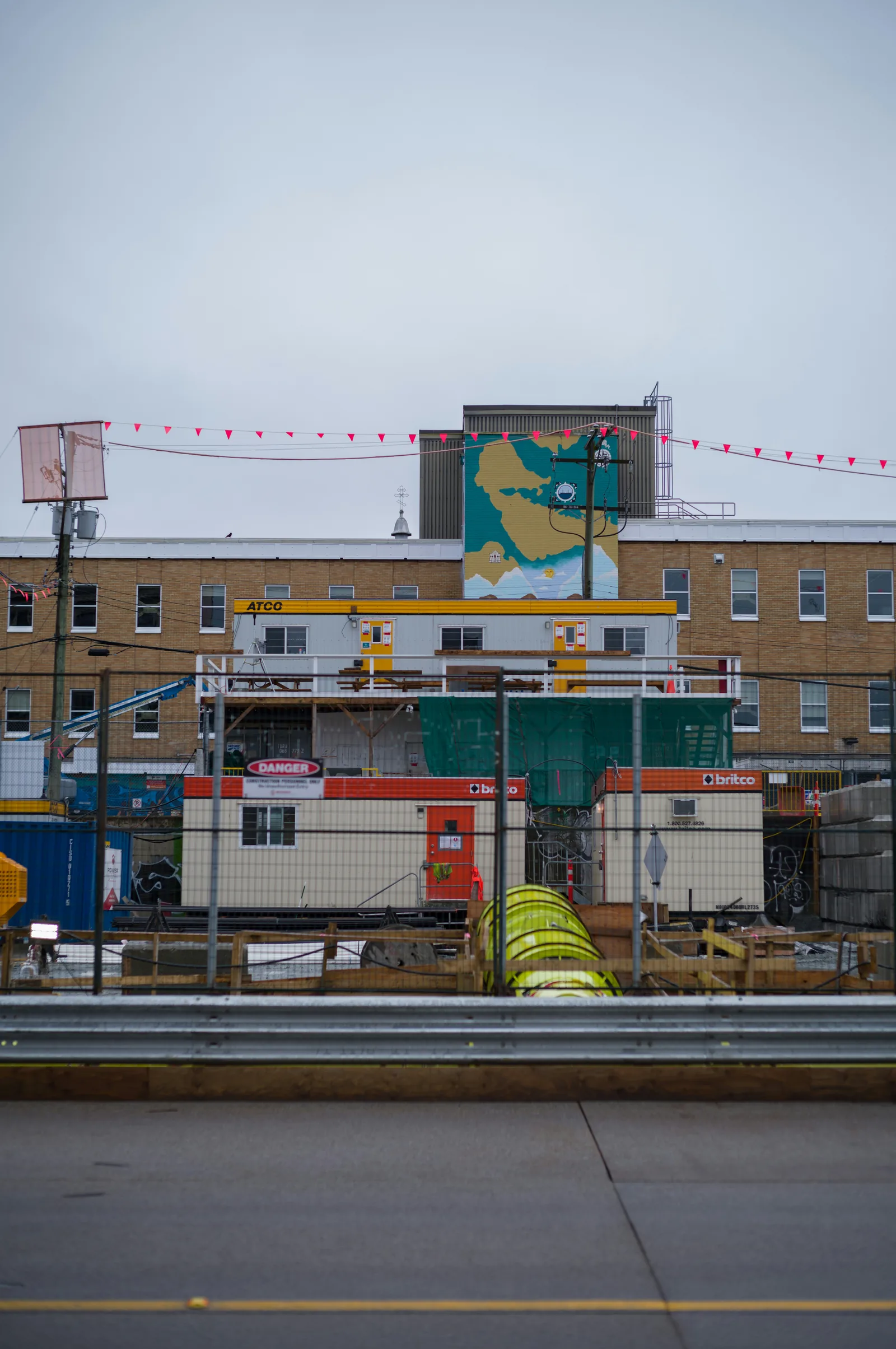 Construction projects across Alberta and BC represent billions in annual subcontract opportunity.
Where Projects Appear Before Tender
There are three major signal types to track:
1. Building permit applications
Every municipality in Canada publishes permit applications, usually within days of filing. A $12M industrial warehouse permit in northeast Calgary isn't a tender yet - but it tells you:
- The owner or developer
- The project address and scope
- The likely trade packages (structural, mechanical, electrical)
- The approximate value
A concrete sub who sees that permit in week one has 8–12 weeks to call the GC, introduce their crew, and be the name top-of-mind when subcontract packages go out.
2. Environmental Assessment filings
For larger projects - anything that touches regulated land, water, or environmental thresholds - an EA registration or screening must happen before shovels go in the ground. In BC, these are published through the BC Environmental Assessment Office. In Alberta, through the Alberta Energy Regulator and provincial EA processes.
EA filings often precede tender by 6–18 months. The project is real, committed capital, but still in early stages. That's your window.
3. Federal tenders (CanadaBuys)
The Government of Canada publishes all procurement through CanadaBuys. This includes Public Works infrastructure, DND construction, and federal crown corporation projects. The feed is public and machine-readable. Filter by province and GSIN code to find relevant work.
Why Most Firms Miss These Signals
The problem isn't access - most of this data is public. The problem is volume and friction:
- Calgary alone issues 200–400 building permits per week
- BC EAO has active files across dozens of sectors
- CanadaBuys posts thousands of notices monthly
Filtering signal from noise manually is a full-time job. Most firms don't have the time or the process to do it, so they default to waiting for the tender.
What Early Intelligence Actually Lets You Do
When you know about a project 60–90 days before tender:
- You can call the GC or owner directly. Not to pitch - to learn. "We saw your permit for the new facility on 84th Ave - are you looking at local mechanical subs?" That's a relationship call, not a cold call.
- You can influence the scope. Early-stage conversations sometimes shape how trade packages are structured. A formwork sub who gets in early might suggest a post-tensioned slab system they specialise in.
- You can price accurately. Rushed bids are padded bids. When you have time, you price competitively.
- You avoid competing on the bottom. Firms who discover projects at tender are competing with six other subs on price alone. Firms who get in early often close before a tender is even issued.
The AB + BC Construction Pipeline Right Now
Alberta and British Columbia are running some of the most active construction pipelines in Canada:
- Alberta is mid-cycle on industrial and logistics construction driven by energy services and e-commerce distribution expansion. Calgary and Edmonton permit volumes are elevated. See our full breakdown of Alberta construction tenders in 2026 - including APC, MERX, and private-sector tactics.
- BC has ongoing multi-family residential and mixed-use development in Metro Vancouver, alongside major infrastructure projects on Vancouver Island.
- Federal work across both provinces includes DND facilities, Indigenous infrastructure, and highway projects.
The firms who are winning are the ones watching all three signal types - not just waiting for tender.
Balloon Sight Intelligence aggregates permit applications, EA filings, and federal tenders from 50+ Canadian sources and delivers them as a weekly digest, sorted by trade relevance. For Alberta tender tactics in 2026, see Alberta construction tenders: how to find and bid. Search the AB + BC projects feed. Get the weekly digest, $149/mo.