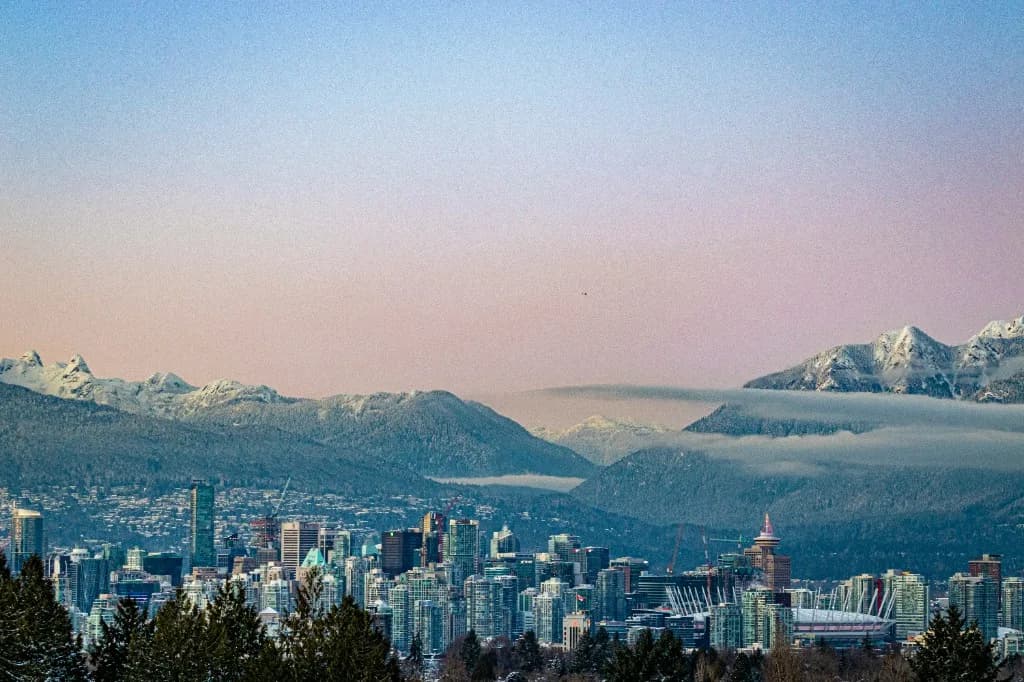
Vancouver is one of the most active construction markets in Canada - and one of the noisiest. The City processes hundreds of building permit applications per week, covering everything from a $90,000 secondary suite to a $200M mixed-use tower. For trades and suppliers working in Metro Vancouver, that data is a real-time feed of what's actually being built. The problem is finding the signal.
The City of Vancouver publishes permit data through its open data portal, typically within a few days of filing. Knowing which permits matter - and moving on them before the tender clock starts - is where most firms either gain an edge or miss the window entirely. Understanding how to read that feed is the same skill we cover in how to find construction projects before they go to tender in Canada.
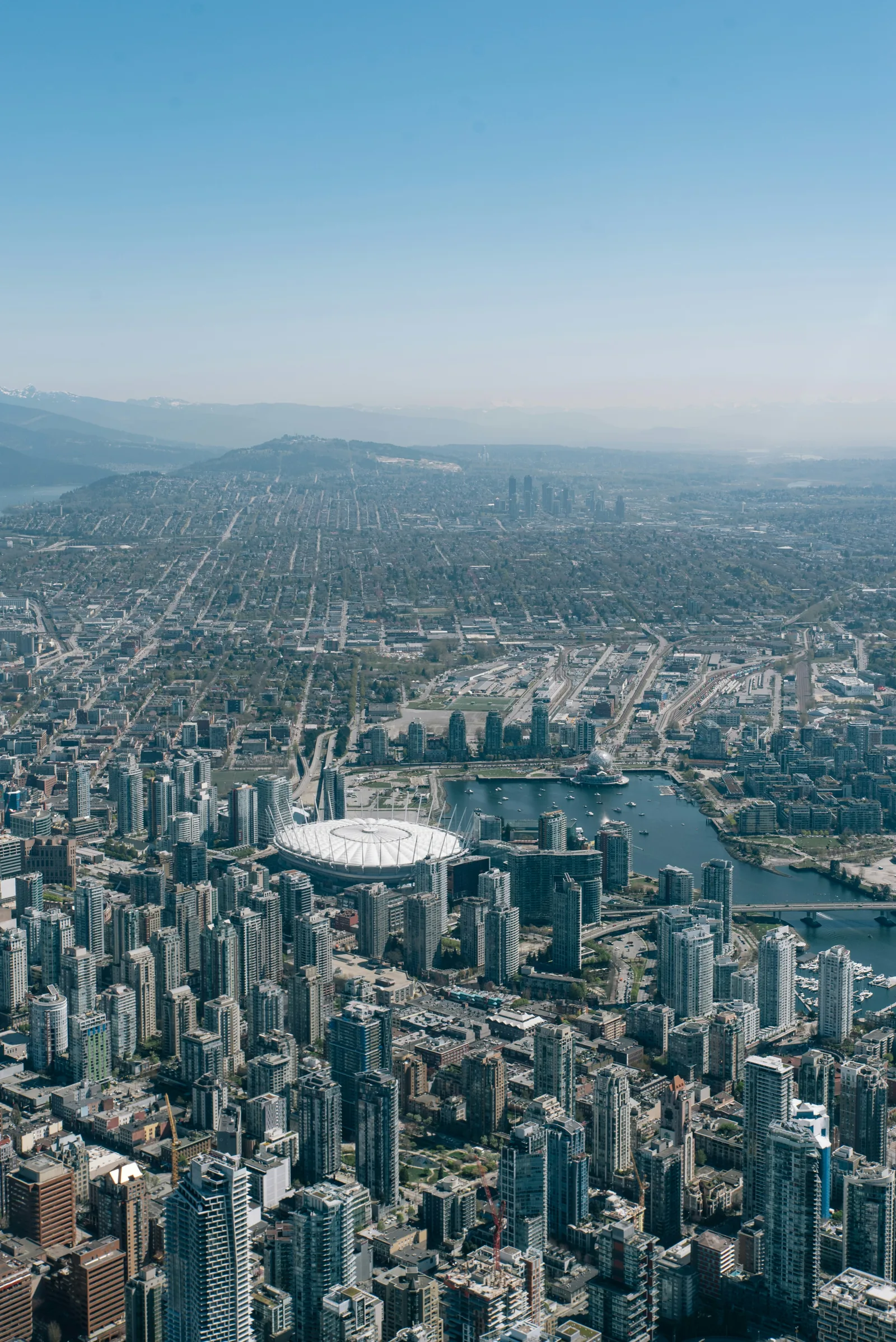 Vancouver's construction pipeline in 2026 is driven by density, transit-oriented development, and a sustained institutional build-out.
What a Vancouver Building Permit Tells You
A Vancouver permit application typically includes:
- Civic address - exact location
- Permit type - building, demolition, or development (building permits are your primary filter)
- Work category - new construction, addition, alteration
- Project value - declared construction cost; often understated on residential, more reliable on larger ICI projects
- Applicant/owner - frequently the developer or GC; a lead before any public tender
For a mechanical sub or concrete contractor, a $12M mixed-use building permit in the Broadway corridor isn't just data - it's a list of decisions that haven't been made yet. The GC is assembling scope. Subtrades haven't been locked in. If you're calling that week, you're in the conversation. If you're waiting for a tender to hit BC Bid, you're often too late.
Active Sectors in Vancouver's 2026 Permit Feed
Transit-oriented density - Broadway Plan area
The Broadway Plan rezoning has unlocked significant development density along the Broadway corridor from Clark Drive to Vine Street. With the Broadway Subway now open, permit activity along this corridor is accelerating - purpose-built rental towers, mixed-use commercial and residential, and ground-floor retail redevelopment. This stretch is generating consistent high-value permit volume for concrete, mechanical, electrical, and curtain wall trades.
Institutional - St. Paul's Hospital and health facilities
The new St. Paul's Hospital in the False Creek Flats is one of the largest active institutional construction projects in BC. It's generating subcontract packages across virtually every trade category - structural, mechanical, electrical, medical gas, building envelope. Adjacent to the main build, enabling works and site services have created a sustained pipeline of smaller permits and subcontract opportunities that don't always make the news but represent real work.
Vancouver Coastal Health and Providence Health Care also have ongoing facility upgrade programs across multiple Vancouver sites. These generate permit activity that's often a 60–90 day precursor to subtrade packages going out. Institutional timing is longer than private development - if you want to understand how to position early on health authority work, the same principles apply as in our Edmonton commercial building permits post, where AHS institutional cycles are covered in detail.
Multi-family residential - East Side densification
Vancouver's housing crisis response has translated directly into permit volume. East Vancouver - from Main Street east through Renfrew and Hastings-Sunrise - is absorbing significant multi-family development as mid-rise rental and strata buildings replace older single-family stock. These projects are fast-moving, typically contractor-managed, and rely heavily on local subtrade relationships for framing, concrete, mechanical, and finishing.
Industrial and creative - False Creek Flats and East Van industrial
The False Creek Flats is Vancouver's remaining large-format industrial zone and it's undergoing significant redevelopment pressure. Creative and tech tenants, data centres, and light manufacturing facilities are generating industrial permit activity that requires different trade specialties than the residential high-rise work dominating the West Side. If you're a structural steel, mechanical, or fire suppression contractor, these permits are worth tracking.
How to Filter Vancouver's Permit Data
The City of Vancouver publishes its permit data through OpenDataSoft. Useful filters:
- Permit type: Building (exclude demolition and development permits for lead-gen)
- Work type: New or Addition
- Project value: $1M+ for high-value ICI work; $500K+ if you're in residential framing or mechanical
That filter set typically cuts a raw weekly feed of several hundred permits down to 20–35 actionable ones. That's your shortlist - addresses, values, applicant names, project types.
For trades targeting institutional or health authority work specifically, cross-reference permit filings against VCH capital project announcements and Providence capital plans. The permit tells you the project is funded and moving; the capital plan provides timeline context.
Beyond Vancouver, BC Bid is the provincial procurement platform where public sector tenders are posted formally - it's worth monitoring in parallel, but the permits tell you what's coming before it gets there. For federal work, CanadaBuys covers federal construction tenders that touch BC infrastructure.
The broader challenge for BC-based trades is aggregation. Vancouver permits are one source. BC Bid tenders, Victoria permits, federal CanadaBuys postings - each runs on a separate feed and cadence. Pulling them together manually is the friction point that causes most firms to miss work. Browse our live BC construction project feed to see how we aggregate it, then read how to find construction projects before they go to tender in Canada for the full strategy.
The Broadway Corridor Is Where It's Concentrated
If you're a trade contractor in Metro Vancouver and you're only tracking one thing, track the Broadway corridor. The concentration of transit-oriented development, the pace of rezoning approvals, and the density of active permits per block makes this the highest-signal zone in Vancouver right now.
Permits on that corridor are frequently pulled by GCs who are simultaneously running multiple projects. Building a relationship with one of those firms before they've assembled their sub list for the next project - not after they've issued a tender - is the operating model that earns consistent work in this market. The same timing advantage applies in Alberta: if you want to understand how the permit-to-award window works across the province, Alberta construction tenders 2026 covers the full cycle from permit signal to bid close.
Browse live Vancouver building permits and BC construction projects. For the broader BC tender landscape and how permit data fits into it, the BC construction tenders guide covers the full picture - BC Bid, federal postings, and environmental assessment signals.
Get the weekly digest for Vancouver + Victoria construction projects matched to your trade, $149/mo. For Alberta's equivalent permit-to-tender pipeline, read Calgary building permits 2026.